Document Type : Original Research Paper
Graphical Abstract
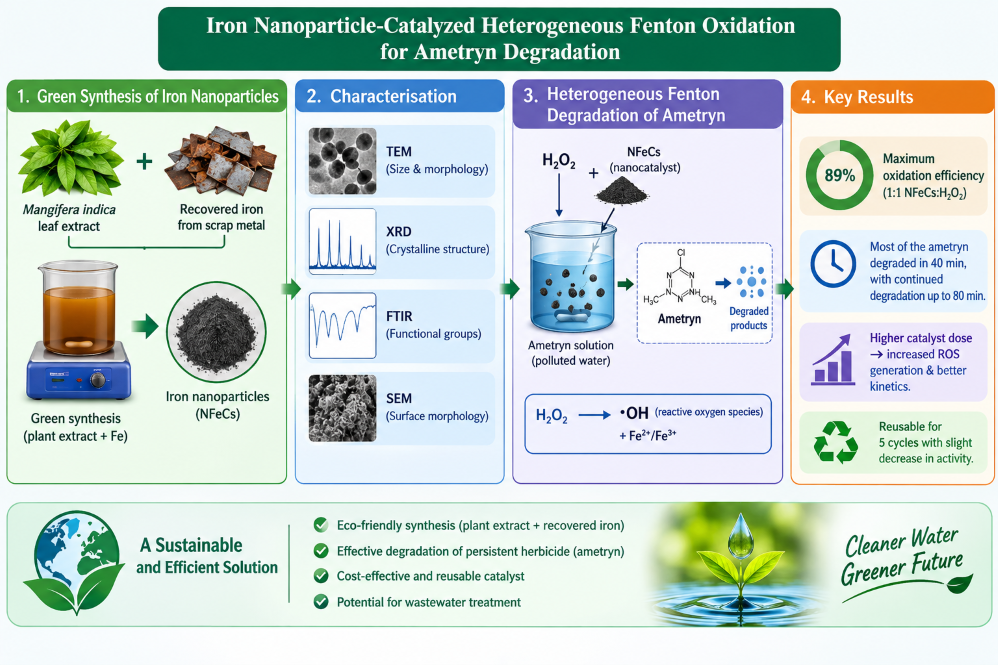
Highlights
Please note: The following content displays the text-only preview. For the full article, complete with all illustrations, data tables, and equations, please download the free PDF from the sidebar at the top of this page.
1. Introduction
Sugarcane as a high-value crop contributes substantially to the economies of many tropical and subtropical countries. With specific climatic conditions including warm temperatures, abundant sunlight, and adequate rainfall or irrigation, sugarcane has a long growing cycle, typically 12-18 months, which allows for extensive root development, which aids in soil conservation and nutrient uptake. Weed infestation poses a significant challenge in sugarcane cultivation, potentially leading to substantial yield losses and reduced crop quality. These unwanted plants compete with sugarcane for essential resources such as water, nutrients, and sunlight, hindering the crop’s growth and development. The weed problem is most pronounced during the early growth stages of sugarcane, a period when the crop is highly susceptible to the competitive pressure from weeds. Common weed species in sugarcane fields include grasses, sedges, and broadleaf weeds, each presenting unique management challenges. Herbicide application, while effective, requires careful consideration to prevent environmental impacts and the development of herbicide-resistant weed populations. Integrated weed management approaches, incorporating crop rotation, timely cultivation, and appropriate herbicide use, are crucial for sustainable sugarcane production and long-term weed control.
Ametryn, a selective herbicide belonging to the triazine group, has vital application in sugarcane farming as it effectively manages broadleaf weeds and grasses. Ametryn offers targeted weed control, eliminating unwanted plants while sparing sugarcane crops. By removing weeds, it lessens the competition for water, nutrients, and sunlight, thereby enhancing the yield and quality of sugarcane. When applied to sugarcane fields, ametryn may not be fully absorbed by the target plants or soil. Intense rainfall or irrigation can remove herbicides that have not been absorbed from the soil surface, leading to their entry into nearby water bodies. Furthermore, soil erosion can carry soil particles contaminated with ametryn into streams and rivers. The herbicide’s moderate solubility in water and its persistence in the environment enhance its movement in runoff. The degree to which ametryn is washed off is influenced by factors such as the dose of ametryn applied, the characteristics of the soil, the landscape, and prevailing weather conditions [1].
Acayaba et al (2020) reported 1101 ng/L ametryn and other herbicides from the largest agricultural runoff in Brazil. The monitoring included 30 active ingredients of pesticides, with 2-hydroxy atrazine, diuron, carbendazim, tebuthiuron, and hexazinone being among the most frequently detected. In another work, Silva and co-workers (2016) conducted column studies in which ametryn was applied to a sugarcane crop and 60 mm rainfall was simulated after draining the column. The study reported that ametryn mobility was influenced by organic content, texture, and cation exchange capacity. According to a 2022 study, 80% of surface water samples from agricultural regions in Brazil contained ametryn, with concentrations up to 1.2 μg/L. The researchers observed that even low concentrations can have detrimental effects on aquatic organisms and lead to the contamination of water sources. Ametryn has a half-life of up to 120 days in soil and can leach into groundwater.
The suitability of chemical treatment method Fenton and Photo-Fenton oxidation, Sono-chemical treatment, electrochemical oxidation, and photocatalytic oxidation, for organic contaminants has been demonstrated by various researchers due to their recalcitrant nature for biological treatment [2-5]. Over the past few years, there has been substantial advancement in Advanced Oxidation Processes (AOPs), particularly in tackling effluents from textile herbicides and other stubborn pollutants. Notable improvements have occurred in the field of catalyst engineering, with the creation of novel materials such as titanium dioxide nanoparticles with dopants and composite structures. These innovations have demonstrated improved effectiveness in decomposing complex herbicide molecules [6], [7], [8]. Photocatalytic oxidation is a process that uses light energy to activate a catalyst, which then facilitates the oxidation of various substances. Common photocatalysts include titanium dioxide (TiO2), zinc oxide (ZnO), and various metal oxides [9-11].
Davarpanah and team (2015) synthesized magnetite nanoparticles via a novel co-precipitation method that demonstrated high affinity for removing p-toluic acid (Davarpanah et al., 2015). In another study of the adsorption process, diethanolamine-functionalized polystyrene resin (DEA-PS) efficiently removes p-toluenesulfonic acid (p-TSA).
The field of photocatalytic oxidation has witnessed the rise of aluminium nanoparticles as compelling alternatives to traditional photocatalysts. These nanoscale materials exhibit exceptional characteristics that make them particularly suitable for such applications. Notably, aluminium nanoparticles possess a significantly enhanced surface-to-volume ratio in comparison to their bulk material counterparts. This attribute translates to an increased number of catalytically active sites, potentially boosting the efficiency of oxidation reactions. Aluminium nanoparticles exhibit localised surface plasmon resonance in the ultraviolet region, thereby enhancing light absorption and photocatalytic activity. In another photocatalytic study, metal nanoparticles (Au, Ag, Pt) were deposited on TiO2 via a UV-switchable polyoxometalate intermediate to create nanohybrids with reduced bandgap energies and enhanced photocatalytic degradation of reactive blue 19 dye under UV–visible light, with Pt@PW-TiO2 showing the highest efficiency and reaction rate.
The present approach of nanoparticle synthesis of aluminium nanoparticles using Hibiscus rosa-sinesis leaf extract as a catalyst precursor contrasts with conventional chemical or physical synthesis methods, offering a sustainable, cost-effective, and biocompatible alternative. The study addresses a specific gap by applying these green-synthesized Al2O3 NPs as photo catalysts for the degradation of ametryn, and demonstrating catalyst reusability up to five cycles with quantified efficiency loss adds practical value for sustainable water treatment applications.
2 Material and Methods
2.1 Column studies of ametryn leaching
Agricultural plots were modelled using PVC columns measuring 10 cm in diameter and 50 cm in length, divided into 10 layers with 5 cm depth intervals. The columns, lined with paraffin to prevent water from draining sideways, were filled with soil. Herbicides were applied to the top of the columns at a rate of 3 kg/ha for weed management, utilizing precision spraying equipment. The columns were then subjected to simulated rainfall events to mimic natural precipitation patterns. Soil samples were collected from each layer at regular intervals to analyze herbicide distribution and movement throughout the column. Rain simulation was conducted twelve hours after the herbicide was applied, while the columns remained upright. Following the rain simulation, the columns were kept upright for an additional 72 hours to allow water to drain into the soil, and the runoff was collected and analyzed for ametryn concentration. The results of this study provided valuable insights into the vertical migration of herbicides in agricultural soils, informing best practices for herbicide application and environmental risk assessment.
2.2 Preparation of Hibiscus rosa-sinesis leaf extracts
100 grams of fresh Hibiscus rosa-sinensis leaves were collected, washed in distilled water to remove particulate matter, ground into a fine paste, and then heated to 80°C for approximately 1 hour. The resulting solution was filtered using Whatman’s filter paper (#42) and stored at 4°C for subsequent use. The extract was filtered and stored for further use at 4 oC.
2.3 Phytochemical synthesis of Aluminum oxide nanoparticles
The green synthesis of aluminium oxide nanoparticles was conducted utilising Hibiscus rosa-sinensis leaf extract and aluminium chloride as a precursor. Hibiscus rosa-sinensis extracts were added to the 0.5 M AlCl3·6H2O solution and extracted dropwise until the colour transformed to black. The solutions were filtered with Whatman’s No.1 filter paper and desiccated in an oven. The extracted particles were stored in moisture-free containers. The morphology, mineral composition, and chemical composition of aluminium nanoparticles were characterised using scanning electron microscopy, X-ray diffraction, and electron diffusion spectroscopic spectrophotometry, respectively.
2.4 Photocatalytic oxidation of Ametryn using Aluminium Oxide Nanoparticles
Photocatalytic degradation of ametryn using aluminium oxide nanoparticles as a catalyst was carried out with 5 mg/L of initial herbicide concentration (considering an average of leaching) [12], [13], [14]. The experiment employed illumination at a wavelength of 470 nm, with a light intensity of 5.6 mW/cm2 at the centre of the reaction mixture. Aluminium oxide nanoparticles were added at an incremental dose into the Ametryn solution in a conical flask. The investigation was conducted with appropriate experimental conditions by considering different dosages of nanocomposite particles (0.5 g/L – 3.0 g/L). The concentration of ametryn was measured using a double-beam UV -vis spectrophotometer at the wavelength of 554 nm (Systronics Make, Model No. AU-2701) (Hou and Yin, 2011). Chemical oxygen demand (COD) was measured by the colourimetric method as per 5220D of Standard Methods for Examination of Water and Wastewater (APHA Method 4500-F, 1992). pH was measured using a digital pH meter (Model - edge, HANNA make). A recoverability and reuse test for the spent catalyst was conducted. Aluminium oxide Nanoparticles powder was filtered, collected, dried, and reused as a catalyst for the photocatalytic degradation of ametryn.
3. Results and Discussion
3.1 Leaching of Ametryn through soil column
The herbicide exhibits moderate mobility, with the study soil contributing to the movement of ametryn within the soil profile. It is observed increased mobility of ametryn in soils characterized by low organic matter content. Furthermore, Silva et al. (2012) found that an increase in soil pH may reduce the sorption capacity of ametryn, leading to greater leaching of this compound within the soil profile. This occurs because when the soil pH is near or below the pKa of the herbicide, the molecule may become protonated, acquire a positive charge, and be absorbed by plants as a cation. The ametryn concentration found in the leachate is given in Fig. 1. It is observed that ametryn leaching is increased with time, contributing to its solubility in water from 1.5 mg/L to 3.8 mg/L within five days.
3.2 Synthesis of Aluminium oxide Nanoparticles formation and its characterization
Nanoparticles obtained by treating leaf extract and aluminium chloride solution were seen as agglomerated spherical structures with smooth surfaces under a Scanning Electron Microscope. Fig. 2 presents the SEM images of synthesized fresh and treated aluminium oxide nanoparticles. Five Peaks observed with XRD (Fig. 3) are at 2Ө 38.39, 44.64, 65.03, 78.43, and 82.38, representing aluminium oxide (PDF: 01-080-0956) with a face-centered cubic structure of aluminium. Four sharp peaks in the analysis indicate the degree of crystallinity of the nanoparticles. Table 1 presents the chemical elements by weight percentage for aluminium oxide nanoparticles, with aluminium being 1.6% of total weight.
BET analysis suggests that the nitrogen adsorption data comprised 11 adsorption points with no corresponding desorption points, indicating that the analysis focused on the adsorption branch of the isotherm. The presence of pores around 39.6 nm indicates a mesoporous structure. The average pore diameter calculated using a slit pore model was 14.542 nm, suggesting some heterogeneity in pore shape or size distribution and also supporting mesoporosity, though the difference in pore size values suggests some distribution or shape variation (Fig. 3b).
The FTIR results for fresh nanoparticles indicate the presence of an inorganic aluminium compound. The bands detected near 700 to 900 cm⁻¹ are predominantly attributed to the stretching vibrations of Al–O bonds. These vibrations occur in the distinct coordination environments of aluminum ions, namely octahedral and tetrahedral sites, which are common in various polymorphic forms of aluminum oxide. Peaks within the 500–700 cm⁻¹ range are commonly linked to Al–O bending modes or lattice vibrations. Peaks appearing in the lower segment of this region, between 500 and 700 cm⁻¹, are generally associated with bending modes of the Al–O bonds or collective lattice vibrations. These bending vibrations reflect the flexibility and dynamics of the oxide lattice and can be indicative of the degree of crystallinity or the presence of structural defects within the nanoparticles (Fig. 4a).
For FTIR results with nanoparticles treated with ametryn, peaks confirm the retention of the core nanoparticle structure after treatment, indicating that the aluminum oxide framework remains intact and stable. Peaks in the range 1000–1500 cm⁻¹ include C–N stretching vibrations associated with amine groups, C–O stretching from ether or alcohol groups, and C=C stretching from aromatic or unsaturated carbon bonds. The appearance or enhancement of peaks related to these functional groups in the FTIR spectrum of the treated nanoparticles indicates the successful adsorption or binding of ametryn onto the aluminum oxide surface. This suggests that the organic molecules are chemically or physically attached to the nanoparticle surface rather than merely being physically mixed. The peak at 1750 cm-1 corresponds to vibrational modes associated with carbonyl groups (C=O) and related functional groups. The carbonyl groups in ametryn may interact with the aluminum oxide surface, forming coordination bonds or hydrogen bonds, which shift or enhance the C=O stretching vibration observed in this spectral range. Appearance of new peaks in the untreated aluminum oxide may reflect the nature and strength of the interaction between ametryn and the aluminum oxide nanoparticles (Fig. 4b). The zeta potential value of -25.9 mV for the synthesized chemical indicates that the particles possess a moderately stable negative surface charge in the dispersion medium. This negative charge suggests electrostatic repulsion between particles, which helps prevent aggregation and promotes colloidal stability. The value obtained implies moderate stability, indicating the synthesized chemical is likely to remain dispersed but may be somewhat susceptible to aggregation under certain conditions.
3.3 Photocatalytic degradation of Ametryn by Aluminium Nanoparticles formation
Photocatalytic Degradation of ametryn under UV illumination with aluminium oxide nanoparticles as a catalyst was investigated. Overall removal efficiency up to 84.0% was observed with 0.0431/Min on nanoparticle loading of 2.5 g/L, pH 3, out of which 80.0% removal was observed in an initial 40 minutes and is attributed to the generation of more hydroxyl radicals due to photoexcitation (Fig. 5). The effect of catalyst dosage was studied by increasing nanoparticle dosage in the range of 0.5 g/L to 3.0 g/L. During the study, the degradation of RhB increased with an increase in the load of the catalyst. The efficiency of herbicide removal was observed to increase by 17% on increasing catalyst dosage from 0.5 g/L to 3.0 g/L. Degradation efficiency increased by 3.68% on an increase in catalyst dosage from 0.5 g/L to 1.0mg/L, 10.21% on an increase in catalyst dosage from 0.5 g/L to 1.5 g/L, and 10.78% on an increase in catalyst dosage from 0.5 g/L to 2.0 g/L, indicating the role of the catalyst in the oxidation of ametryn. This observation indicates the role of nanoparticles as a catalyst in the process of generating reactive hydroxyl radicals, thereby accelerating the formation of active sites on the catalyst. The increased catalyst dosage led to a higher concentration of active sites, resulting in more efficient herbicide degradation.
Fig. 5 (a) depicts the influence of pH on the degradation of ametryn. In the present study, the degradation of herbicides is observed to be high at pH 2.5 and 3.0, comparatively marking the suitability of acidic conditions for photocatalytic degradation. It is observed that for a catalyst loading of 2.5g/L, the observed degradation was 85.4%, 83.0%, 80.2%, and 77.8%, with a notable reduction in degradation efficacy of 7.6% as pH rises. A similar trend of degradation efficiency was observed with an increase in catalyst dosage from 0.5 g/L to 2.5 g/L at both pH 2.5 and pH 4.0, with a removal efficiency difference of 9%. The increase in degradation efficiency at pH 2.5 and 3.0 is attributed to electrostatic interactions between the herbicide molecules and the catalyst surface, which contribute to adsorption mechanisms and the generation of more hydroxyl radicals at acidic pH. The influence of initial ametryn concentration is shown in Fig. 5 (b). The study reveals that increasing the initial concentration from 5 mg/L to 20 mg/L, whilst maintaining a catalyst dosage of 2.5 g/L, results in a 23.5% decrease in degradation efficiency. Conversely, when the initial ametryn concentration is kept at 5 mg/L, raising the catalyst dosage from 0.5 g/L to 2.5 g/L enhances the degradation efficiency by 13.2%. At an initial ametryn concentration of 20 mg/L, the same increase in catalyst dosage improves degradation by 26%. Notably, the overall removal efficiency is superior at the lower initial concentration of 5 mg/L. This trend suggests that the catalyst’s effectiveness is more pronounced at lower initial concentrations of ametryn. The inverse relationship between initial concentration and degradation efficiency could be attributed to the limited availability of active sites on the catalyst surface. As the initial concentration increases, these active sites may become saturated, leading to a decrease in the overall degradation rate. Kiran Kumar Anna et al. (2022) investigated the catalytic role of aluminium nanoparticles in the photocatalytic degradation of methylene blue herbicides. The investigation employed two distinct nanoparticle synthesis methods: precipitation and sol-gel. The findings revealed that aluminium nanoparticles fabricated via the precipitation technique exhibited superior catalytic efficacy compared to their sol-gel counterparts. This enhanced catalytic performance observed in the precipitation-derived nanoparticles was ascribed to their surface-active qualities [16]. Punitha and colleagues (2022) demonstrated that aluminium nanoparticles, synthesised using an extract from Citrus aurantium peel, exhibited a photocatalytic degradation efficiency of 89.1% for methylene blue herbicides [17]. Other studies also demonstrated the role of aluminium nanoparticles in the photocatalytic oxidation of organic compounds [18], [19]. This research gives insight that nanoparticles exhibit a high surface area-to-volume ratio, which enhances their catalytic activity and efficiency in oxidation reactions. When exposed to illumination, aluminium nanoparticles can generate reactive oxygen species (ROS), such as hydroxyl radicals and superoxide anions, which are powerful oxidising agents capable of degrading various organic pollutants.
In reusability studies, it was found that herbicide degradation efficiency was found to have reduced by 37% after five consecutive cycles, marking the catalyst re-usage up to five cycles (Fig. 7 and Table 3). Fig. 6 shows the kinetic fit for the degradation of ametryn by photocatalytic oxidation with aluminium nanoparticles as a catalyst [20-22]. The rate of reaction is dependent on the pollutant concentration since ametryn first adsorbs onto nanoparticles before the reaction. This adsorption-desorption reaches a dynamic equilibrium, and kinetic studies show that the pseudo-first-order rate kinetic model fits the process. The present study claims the degradation of ametryn to 84% with 2.5g/L of Al2O3 NP catalyst dosage, targeting 5 mg/L of initial herbicide concentration at pH 3.0 within 120 minutes of treatment duration under the illumination of UV light at an intensity of 5.6 mW/cm2.
3.4 Mechanism of photo-catalytic degradation of Ametryn
Photodegradation through photocatalytic oxidation involves the activation of a photocatalyst, such as aluminium oxide nanoparticles (Al2O3 NPs), under ultraviolet (UV) light, initiating a series of photo-induced redox reactions. When Al2O3 NPs absorb photons matching their localized surface plasmon resonance, electrons in the valence band are excited to the conduction band, generating electron-hole pairs. These charge carriers interact with water and oxygen molecules adsorbed on the nanoparticle surface to produce reactive oxygen species (ROS), primarily hydroxyl radicals (•OH) and superoxide anions (O2•−). The highly reactive hydroxyl radicals attack the adsorbed organic pollutant molecules, such as ametryn herbicide, breaking down their complex chemical structures into smaller, less harmful compounds. The adsorption of ametryn onto the negatively charged AlNP surface (zeta potential of -25.9 mV) is enhanced under acidic conditions due to electrostatic attraction with positively charged ametryn molecules, facilitating proximity for effective radical-mediated oxidation.
The kinetic behavior implies that the degradation rate is directly proportional to the concentration of ametryn molecules adsorbed on the surface of the catalyst, as the reaction follows pseudo-first-order kinetics. The adsorption step is critical, as it governs the availability of pollutant molecules in proximity to reactive sites where oxidative reactions occur. Increasing the catalyst dosage effectively raises the number of active sites on the Al2O3 NPs surface available for the generation of reactive oxygen species (ROS), such as hydroxyl radicals (•OH) and superoxide anions (O2•−). These ROS are the primary oxidizing agents responsible for breaking down the ametryn molecules. As the catalyst loading increases, more electron-hole pairs are generated upon UV illumination, leading to enhanced ROS production and thus higher degradation efficiency. This is evidenced by the observed increase in degradation percentage with catalyst dosages ranging from 0.5 g/L to 3.0 g/L.
However, at higher initial concentrations of ametryn, the catalyst surface active sites may become saturated. This saturation limits the adsorption capacity, reducing the effective contact between ametryn molecules and ROS. Consequently, the degradation rate diminishes despite the presence of sufficient ROS, as fewer pollutant molecules are accessible for oxidation. This competitive adsorption and site saturation explain the decline in degradation efficiency at elevated pollutant concentrations. Structurally, the aluminium oxide framework of the nanoparticles demonstrates stability throughout the photodegradation process. FTIR analyses confirm that the core aluminium oxide lattice remains intact after repeated use, maintaining the catalyst’s fundamental properties. This structural robustness allows for catalyst recovery and reuse over multiple cycles. The degradation efficiency decreases progressively with each reuse cycle, showing a 37% reduction after five cycles. This decline is attributed primarily to surface fouling, accumulation of degradation intermediates or adsorbed species that block active sites, and minor structural changes that may slightly alter surface properties or reduce active site availability.
4. Conclusions
The phytochemical synthesis of green aluminium oxide nanoparticles resulted in the formation of agglomerated spherical nanoparticles, as confirmed by energy-dispersive X-ray Spectroscopy (EDS) and X-ray Diffraction (XRD) studies. These synthesised nanoparticles demonstrated significant catalytic activity in photochemical oxidation processes, achieving a maximum herbicide removal efficiency of 84.0% within 120 minutes of treatment. The effectiveness of the oxidation process was further evidenced by a substantial Chemical Oxygen Demand (COD) removal of 74.2% within the same timeframe, indicating improved oxidation during the treatment process. The performance of the nanoparticles was influenced by the initial concentration of ametryn herbicides. An increase in the initial herbicide concentration from 5 mg/L to 20 mg/L led to a 23.5% decrease in degradation efficiency, highlighting the impact of herbicide concentration on the treatment process. Importantly, recoverability and reusability studies demonstrated that the nanoparticles could be effectively reused for up to five consecutive cycles in the removal of ametryn, suggesting their potential for sustainable and cost-effective application in water treatment processes.