
Document Type : Review Paper
Graphical Abstract
Introduction
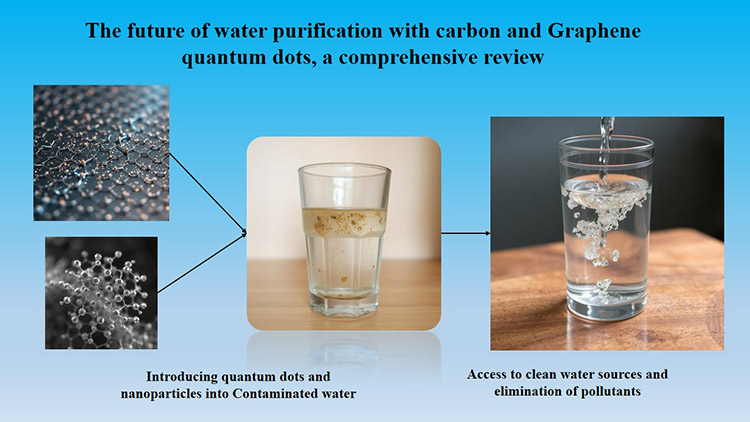
Water is a vital resource for human survival, agricultural productivity, and ecosystem health. Throughout history, civilizations have recognized the importance of clean water, employing methods such as sand filtration, distillation, and the use of coagulants to ensure safe drinking water. However, with the rapid pace of industrialization and urbanization, the nature of water pollution has evolved, becoming more complex and hazardous. Modern water pollutants include a variety of organic and inorganic substances, such as heavy metals, pesticides, synthetic dyes, pharmaceuticals, microplastics, and pathogens, which significantly impair water quality and pose serious health and environmental risks. Traditional water purification techniques, including physical, chemical, biological, and mechanical methods, have been widely used to treat water. While these methods are effective in certain scenarios, they often struggle to address the increasing diversity and persistence of pollutants in contemporary water sources. This gap has driven the exploration of innovative solutions, particularly in the field of nanotechnology. Nano-materials, such as Carbon Nanotubes (CNTs) and Carbon Quantum Dots (CQDs), have emerged as promising tools for water purification. These materials exhibit exceptional properties, including high surface area-to-volume ratios, unique optical and electrical characteristics, and remarkable adsorption and catalytic capabilities. CNTs are particularly effective in adsorbing heavy metals and organic contaminants, while CQDs offer advanced photo-catalytic properties for pollutant degradation. The integration of these nanotechnologies into water treatment systems not only enhances purification efficiency but also provides sustainable solutions for addressing the challenges of water pollution and freshwater scarcity. This article aims to provide a comprehensive review of conventional water purification methods and highlight the advancements in nanotechnology, with a focus on CNTs and CQDs. By exploring their synthesis, properties, and applications, this study underscores the potential of these Nanomaterials to revolutionize water treatment processes and contribute to global efforts to ensure clean and accessible water for all [1-5]. The present study shows that purifying water resources with quantum dots can play a fundamental role in providing and protecting water resources shortly. The innovation of the present study is in identifying and investigating quantum and Nano-scale factors in protecting water resources and providing suggestions for future research to researchers.
Importance of Water and Water Purification
The availability of clean water is essential for both human and ecological needs. Figure 1 shows all the water resources on Earth. As can be seen in Figure 1, a large portion of the water resources on Earth’s surface are formed by saline water resources, which can be a suitable source for supplying freshwater. Throughout history, most civilizations have chosen to settle near water sources such as rivers, streams, and lakes due to the critical importance of safe drinking water. In rural areas, purified water has always been regarded as a precious resource. Ancient civilizations employed various methods for water purification, including distillation, filtration using materials like sand, gravel, and cloth, and the use of chemicals like aluminum sulfate and Maringa oleifera. These traditional techniques varied across cultures, with ancient Egypt using aluminum sulfate, Greece utilizing Hippocrates’ sleeves, and India applying sand and gravel filters, among other methods. As technology and industrialization advanced, however, the introduction of new materials and increased environmental pollution underscored the need for improved water treatment processes [6-8]. Industrial, medical, and chemical pollutants, including organic compounds, have significantly impaired water quality, posing risks to human health and ecosystems. For example, Contamination of groundwater with Geogenic arsenic has become a widespread public health emergency worldwide, with India being one of the most severely impacted countries. Over 100 million people in India are at risk of arsenic poisoning through the consumption of water from shallow aquifers, where arsenic concentrations significantly exceed the limits recommended by the World Health Organization. The state of West Bengal has been at the epicenter of this crisis in India. To combat the crisis, the state’s Public Health Engineering Directorate (PHED) has focused on supplying arsenic-free surface water from the perennial River Ganges, as well as deep subsurface water, to households in affected districts via piped water supply (PWS) systems [4]. Consequently, the need to purify water for drinking, irrigation, and industrial uses has become more pressing. The challenge of preserving freshwater bodies is growing, particularly as only 2.5% of the Earth’s total water is freshwater. The United Nations has set Sustainable Development Goal 6 (SDG 6) to ensure clean drinking water for all by 2030 [10, 11].
Impact of Industry and Technology on Water Pollutants
Pollutants that impair water quality can be organic, inorganic, biological, or physical. These pollutants harm human health, hinder aquatic activities, and disrupt agricultural and industrial processes [11]. Historically, water pollution was mostly due to natural factors or limited human activity, such as floods and soil erosion, resulting in minimal impact on water quality. However, polluted water could still harbor bacteria and diseases. In the past, water quality was assessed visually due to limited knowledge and the inability to analyze fine particles, substances, and diseases in water. Factors like turbidity, color change, and odor were used for visual evaluation. Without the advanced sewage systems, human and animal waste were often discharged directly into rivers and lakes, leading to biological contamination and diseases like cholera and diarrhea. Vibrio cholera is the etiologic agent of cholera [12]. Contaminated water and food are among the primary pathways for the transmission of this pathogenic agent. Heavy rainfall and floods contribute to water pollution by carrying soil and sediments, which increase turbidity and may contain natural minerals that degrade water quality. Eroded soils can easily dissolve into flowing waters, making soil erosion assessment crucial for planning and conservation efforts [13]. Pollution can render freshwater unusable without expensive cleanup processes [14]. For instance, the Nyabarongo River system has high turbidity (737.28 ± 571.03 NTU) and nitrate-nitrogen levels (28.79 ± 20.94 mg/L), far exceeding the WHO’s standards of 1 NTU (Nephelometric Turbidity Unit) and 11 mg/L, respectively [15]. With technological advancements and industrial growth, water pollution has become more complex and hazardous. Modern pollutants, such as heavy metals, toxic chemicals, and microplastics, pose serious threats to ecosystems and human health. Some pollutants may not change the physical properties of water but can still create toxicity [16]. Today’s water pollutants are classified as either organic or inorganic, and both types will be examined in the following sections.
Organic compounds, consisting of carbon, hydrogen, oxygen, nitrogen, and sulfur, are common in pollutants from industries like sewage, canning, food processing, and paper mills. These pollutants can create anaerobic conditions in water due to the depletion of oxygen. Additionally, artificial organic pollutants, such as synthetic pesticides, detergents, drugs, dyes, plastics, and solvents, are not biodegradable and can persist in water for extended periods [16].
Pesticides are essential for protecting crops from pests and diseases, with around 2 million tons used annually worldwide [17]. Early pesticides were based on toxic heavy metals like arsenic, copper, and mercury, which raised concerns due to their water solubility and food contamination risks. Synthetic organic pesticides like chlorinated hydrocarbons (e.g., DDT (Dichloro-Diphenyl-Trichloroethane), aldrin, and chlordane) were introduced during WWII (World War 2) and accumulate in food chains, although they rarely contaminate groundwater. Organophosphorus compounds and Carbamate pesticides were developed as alternatives, but they still pose toxicity risks. Pesticides enter water bodies through both point sources (e.g., pesticide spills, improper storage) and non-point sources (e.g., runoff from agricultural fields), contaminating surface waters and groundwater over time. Figure 2 categorizes pesticides that may enter water sources. Both categories pose a serious risk of contaminating water sources [18-20].
Dyes, especially synthetic ones, are widely used in industries such as textiles, paper, leather, cosmetics, and food processing. However, their environmental impact is significant, as they contribute to pollution in water systems. The discharge of untreated or poorly treated wastewater from these industries leads to the release of dyes into water bodies, causing a reduction in light transmission and disrupting photosynthesis in aquatic plants. Dyes contain chemical groups like aromatic compounds, halogens, nitro, phenol, and amine groups, which can be carcinogenic and toxic to both aquatic life and humans [16, 21-23]. The wastewater from dye manufacturing and textile reprocessing plants contains these harmful chemicals, as can be seen in Figure 3, and enters water sources, posing a major environmental and health hazard [24]. The interesting point is that, as can be seen in Figure 3, one of the sources of paint pollution is the washing and dyeing of clothes and fabrics. Given the industrial nature of the method, industrial paints in large quantities lead to water pollution, which requires further investigation by researchers in future research.
Polyfluoroalkyl substances (PFASs) are a group of water-soluble organic compounds characterized by an alkyl chain with numerous fluorine atoms. These substances have been used extensively for over 60 years in industries such as food packaging, waterproof fabrics, sprays, Teflon, waxes, dyes, and firefighting foams. Common examples include Perfluorooctane Sulfonate (PFOS) and Perfluorooctanoic acid (PFOA), both of which are fluorinated surfactants that exhibit both hydrophobic and hydrophilic properties. PFASs are persistent organic pollutants, meaning they do not degrade in the environment or in the human body, leading to long-term accumulation. Exposure to PFASs has been linked to a range of health issues, including thyroid disease, various cancers (liver, testes, and pancreatic), high blood pressure during pregnancy, reduced vaccine antibody responses, asthma, low birth weight, decreased bone mineral density, and neurological developmental abnormalities [16, 25-28].
Inorganic water pollution refers to pollutants that originate from non-organic chemical substances, including industrial chemicals, heavy metals, and toxic chemicals. Developing countries are particularly concerned about the presence of harmful chemicals, such as nitrates, ammonium nitrate, and heavy metal ions, in drinking water. High concentrations of nitrogen pollutants (nitrates, nitrites, and ammonium) and mineral phosphates in river water, typically resulting from agricultural runoff and the discharge of urban/industrial wastewater, can lead to a range of health issues. Nitrites are known carcinogens, increasing the risk of stomach, liver, and lung cancers, and can cause elevated ammonium levels in the body, leading to further health complications [16, 29-30]. These types of pollution have severe negative impacts on human, animal, and environmental health. In this section, some types of pollution are discussed and examined.
Nitrogen in the forms of NO3-, NO2-, and NH3+ is one of the most common pollutants found in groundwater. While nitrate (NO3-) occurs naturally in very low concentrations, it can accumulate in groundwater over time. Nitrogen is essential for plant growth, and farmers often use nitrogen-based fertilizers to enhance crop yields [31-33]. However, excessive and improper use of fertilizers can lead to an imbalance between the plant’s ability to absorb nutrients and the availability of nitrates, causing surplus fertilizers to be washed away into water sources. In addition to agricultural runoff, human activities, such as waste disposal, sewage discharge, industrial effluent, improper sanitation services, landfill sites, and animal waste, can contribute to nitrate pollution. Elevated nitrate concentrations exceeding 50 milligrams per liter in water can lead to significant health issues in humans and animals. While nitrate itself is not directly toxic, it can be converted to nitrite (NO2-) in the human body, which can result in serious health concerns, including Methemoglobinemia (blue baby syndrome) in infants, and increased risks of cancers in the digestive system [16, 21-33]. Thus, the presence of high nitrate levels in water poses a major health risk, making its monitoring and management critical.
Heavy metals are chemical elements with high atomic weights that can be toxic to humans, animals, and the environment in high concentrations. Common examples include Lead (Pb), Mercury (Hg), Cadmium (Cd), Arsenic (As), Nickel (Ni), and Copper (Cu). These metals are used in industries like battery production, plastics, agriculture, and chemicals. However, their accumulation in water and soil can harm health. Heavy metals often enter the environment through human activities, and high concentrations in groundwater can pose serious health risks. Mining, for instance, can mobilize heavy metals, contaminating water sources [34]. The health effects of these metals are often irreversible and fatal. The maximum permissible levels of these metals in drinking water are regulated by the World Health Organization (WHO) and the Environmental Protection Agency (EPA) [35]. Also, as can be seen in Table 1, some other ions, such as Chloride, Iodide, Bromide, and Fluoride, can change the water quality. As can be found in Table 1, these ions must be controlled in the water, and for example, the maximum permissible level for Chloride ions in the water is 0.5 mg/L. More than this level, Chloride ions can damage the liver [36-45].
Pollutants entering water resources, particularly wastewater, through food, are substances discharged via domestic or industrial wastewater. These substances, including waste or remnants of meat, seafood, dairy, sugar, sweeteners, fats, oils, and similar products, can significantly pollute water. Effluents from proteins, seafood, fats, and oils contain substances that do not dissolve easily in water, forming a fatty layer on the surface that prevents oxygen exchange, harming aquatic life. Waste from the meat and poultry industries includes nitrogenous organic substances, fats, and minerals like nitrates. Fish product production generates varying levels of BOD (biochemical oxygen demand), COD (Chemical Oxygen Demand), and significant amounts of fat, oil, grease, and protein, contributing to water pollution. The dairy industry, a major contributor to wastewater generation, produces effluents with high organic matter and fat content, which, if untreated, can lead to increased algae growth and reduced oxygen levels in water. Artificial sweeteners like aspartame, saccharin, and sucralose do not degrade in water and can persist as pollutants, harming aquatic ecosystems and causing biochemical changes [46].
Figure 4 shows the entry routes of pharmaceutical contaminants into water sources. In recent decades, the production and consumption of pharmaceutical products have significantly increased, with around 3,000 different compounds used, surpassing hundreds of tons annually [51, 52]. Common drugs include anti-inflammatory medications, antibiotics, and analgesics, leading to greater attention on pharmaceutical active compounds (PhACs) and water-soluble and pharmacologically active micro-pollutants. People use Pharmaceuticals daily for health reasons and in veterinary medicine to prevent and treat animal diseases [53-56]. After use, these substances are excreted through urine and feces, either as active compounds or metabolites [57, 58]. They are found in influent and effluent wastewater, surface water bodies, and even groundwater due to effluent leachates. Conventional treatment plants are often ineffective at removing emerging contaminants (ECs), prompting the exploration of new methods, such as Mycoremediation. The rapid global increase in pharmaceutical consumption raises environmental concerns, as these substances persist in ecosystems, and their long-term effects remain largely unknown [59-60]. In this context, Cecilia and Patrick pointed out that antibiotics are one of the materials that may lead to water pollution in wastewater [61]. Antihypertensive and anti-inflammatory drugs were also among the drugs identified by Santos et al [62]. Based on Fekadu et al.’s research, ten compounds, including Sulfamethoxazole, carbamazepine, diclofenac, trimethoprim, ibuprofen, naproxen, paracetamol (acetaminophen), ketoprofen, venlafaxine, and clarithromycin, were identified that have an effective role in contaminating water sources [63]. There are other studies of similar contaminations of the drugs mentioned [64-65]. Medications containing estrogenic chemicals are also among the things that lead to severe pollution of water resources [66]. Additionally, the widespread sale of some drugs without prescriptions contributes to their increased environmental presence. The increasing development of technology and the increased use of chemical drugs are also effective in this case [67-68].
Cosmetic/Personal Care Products Contaminants
Industrial advancements have strained natural resources, increased environmental pollution, and contributed to climate change [69]. The cosmetics industry, producing over 3,000 synthetic compounds, generates significant waste [70-71]. Industrial wastewater from cosmetic manufacturing contains substances like ibuprofen, Sulfamethoxazole, and fluoxetine, frequently detected in aquatic environments [72]. Unlike pharmaceuticals, cosmetics pose a greater ecological threat due to their widespread, external use, leading to their unaltered release into the atmosphere [73]. Common pollutants include Parabens, phthalates, Triclosan, sunscreen filters, and microplastics, which can harm aquatic life when released through household and industrial wastewater [74].
Detergents and cleaners are essential daily products and contain various chemical compounds, primarily surfactants. Surfactants are classified into four types:
• Anionic surfactants (e.g., LAS (linear alkylbenzenesulfonates), common in soaps and detergents).
• Non-ionic surfactants (e.g., fatty acids, used in biotechnological processes).
• Cationic surfactants (e.g., quaternary ammonium compounds, found in hair conditioners and fabric softeners).
• Amphoteric surfactants (e.g., Amine-oxide, used in industries like textiles and rubber for antistatic and antibacterial properties).
Although useful, these substances can harm the environment when released into water, causing issues such as low biodegradability, oxygen depletion, toxic compound accumulation, harm to aquatic life, and increased nutrient loads [75-76].
Radioactive materials naturally occur in the Earth’s crust and can migrate into water sources through natural processes or human activities like uranium extraction, nuclear fission, and accidents at nuclear plants. Table 2 shows that radioactive pollution can harm the water resources. These pollutants, including radon, uranium, and radium, pose serious health risks, such as cancer and radiation sickness, and can accumulate in the body over time. Radioactive contamination also harms aquatic ecosystems, disrupting food chains and causing bioaccumulation. To control radioactive pollution, techniques like reverse osmosis, ion exchange, and adsorption effectively remove contaminants. Regular water testing and stringent regulations are crucial for ensuring safe water quality. Advanced treatment methods, along with monitoring and regulation, help mitigate the risks of radioactive pollution to human health and the environment [40, 77-78].
Water purification: common methods
Due to limited drinkable water resources, technological advancements, and industrialization, more effective water purification methods are essential. Common water treatment methods include various technologies and techniques designed to remove contaminants and improve water quality. The choice of method depends on the type and level of contamination and the intended use of the water (drinking, industrial, or agricultural). Often, a combination of these methods is employed to ensure thorough purification [84]. The following section examines various conventional methods for purifying water resources and examines some of their advantages and limitations.
Physical water treatment involves methods that utilize physical properties and forces to purify water. Common techniques include distillation, sedimentation, and membrane filtration methods such as microfiltration, ultrafiltration, Nano-filtration, and reverse osmosis. It is important to note that these methods are effective in removing large solid particles from industrial wastewater but do not address organic or inorganic substances, bacteria, or microorganisms [85]. This is one of the main limitations of physical methods, some of which are discussed below, along with their advantages and disadvantages.
Filtration is essential in water treatment, removing suspended solids through a granular media bed. When coagulants are added, they help remove colloidal particles, improving the removal of turbidity, color, microorganisms, and particulates. Membrane filtration, an advanced method, uses semi-permeable membranes to separate larger particles and impurities, significantly improving water quality. However, this method is energy-intensive and costly due to the high pressure required [84-86].
Sedimentation is a cost-effective water treatment method that uses gravity to remove suspended particles with a higher density than water. The process depends on particle density, temperature, particle diameter, and the ratio between settling velocity and fluid velocity. Larger particles and lower filtration velocities improve collection efficiency. While sedimentation requires minimal energy and maintenance, it is only effective for large or high-density particles and is less efficient for smaller particles or those with a similar density to water. Additionally, it requires a large space and can be slower than other methods, with the risk of re-contamination if tanks are not well-maintained [87-89]. Among the issues considered in the sedimentation method are particle size, particle concentration, and surface characteristics, which may cause problems in treatment [90]. There was also research on the use of polypropylene fibers that produced high-quality water with low color and turbidity, which could be of interest in the future [91].
Reverse osmosis is increasingly used for treating municipal and industrial wastewater to meet the growing demand for high-quality water in urban areas [92]. This method involves forcing water through a semi-permeable membrane under pressure, allowing only water molecules to pass through while retaining pollutants, salts, and harmful substances. It effectively removes contaminants, requires no chemicals, and produces high-quality water. However, reverse osmosis has drawbacks, including high energy consumption, high initial costs, the need for proper disposal of brine, and regular membrane maintenance.
Distillation is an ancient and simple water purification method that removes a wide range of contaminants, including bacteria, minerals, and organic substances, except volatile compounds like ethanol and acetone. Water is heated to its boiling point, and the vapor is condensed, leaving impurities behind. It effectively eliminates minerals, nitrates, and microbial contaminants. However, distillation is slow, energy-intensive, and not effective for organic compounds with a boiling point below 100°C [93, 94].
The evaporation method purifies water by heating it to its boiling point and collecting the vapor, leaving contaminants behind. It effectively removes microorganisms and impurities without chemicals, providing safe drinking water. However, it is energy-intensive, time-consuming, and costly, requiring significant heat and time for large volumes. Additionally, it cannot remove certain pollutants, like salts.
Aeration is a water treatment process where air is injected into water to remove dissolved compounds like toxic gases (e.g., carbon dioxide and hydrogen sulfide) and organic materials. It improves water taste, odor, and oxygen content, and is effective for treating water with gaseous or chemical pollutants. Advantages include removing undesirable gases, increasing dissolved oxygen, and facilitating the oxidation of substances like iron and manganese. It is cost-effective with simple equipment but has limitations, such as being ineffective for non-gaseous pollutants like heavy metals and requiring regular maintenance, especially for highly contaminated water.
In the previous section, physical methods were examined and discussed. In the following, chemical methods of water purification and their advantages and disadvantages are introduced. These methods also have different categories, which are introduced below.
Microbial pathogen removal uses chemical disinfectants like chlorine, chloramine, chlorine dioxide, and ozone, each with different advantages and drawbacks. Chlorination is cost-effective and widely used, especially in developing countries, but can produce harmful by-products and affect the water’s taste. Ozone is more effective at inactivating pathogens and removing pollutants, leaving no residues, but is more expensive and lacks residual disinfection, making it unsuitable for distribution networks. Ozone is the most effective against bacteria, viruses, and protozoa, while chloramine is the least effective [95-97].
Coagulation and flocculation are sequential steps that help particles collide and form larger flocs, which are then removed by sedimentation. Incomplete coagulation or flocculation leads to ineffective sedimentation. Flocculation involves gentle mixing to increase particle size from micro-flocs to visible flocs. With the addition of coagulants or polymers, floc size increases, and macro-flocs are formed. High molecular weight coagulant aids can strengthen the floc and speed up settling. This process dates back to 2000 BC, with the Egyptians using almonds and the Romans using alum. Coagulants like aluminum sulfate and ferric chloride aggregate particles, improve turbidity removal, reduce filtration needs, and adapt to various water conditions. However, it is pH and temperature-dependent, creates costly sludge, and may leave residual chemicals if not properly managed [98, 99].
Ion exchange is a reversible process in which ions are exchanged between a solid phase and a liquid phase. Cation exchange removes positively charged ions (e.g., Ca2+, Mg2+) using Cation exchange resins, while anion exchange removes negatively charged ions (e.g., F-, NO3-) using anion exchange resins. This technique is employed in industries such as water treatment, medical research, food processing, mining, and agriculture [100]. Advantages include high accuracy in pollutant removal, reduced water hardness, and resin recovery. However, it involves high initial costs, requires regular maintenance and resin regeneration, and may generate chemical waste. Its efficiency is also influenced by water characteristics like pH and temperature.
Biological water treatment involves using microorganisms to break down and remove organic pollutants from water. This process occurs through aerobic and anaerobic methods. In the aerobic method, microorganisms require oxygen to decompose organic matter, while in the anaerobic method, decomposition takes place without oxygen. Both methods offer specific advantages, such as lower energy consumption in the anaerobic method and faster organic matter breakdown in the aerobic method. The choice of the appropriate method depends on the type of pollutants and the conditions of the treatment system.
Aerobic and Anaerobic Treatments
Anaerobic and aerobic conditions in wastewater treatment depend on microorganisms that break down pollutants. Aerobic microorganisms need oxygen, while anaerobic ones grow without it. These processes are effective in removing organic materials without chemicals, but they require additional chemical and physical treatments. Advantages include lower costs, no chemicals, and methane production in anaerobic methods. However, they require large spaces, specific conditions, and careful management of methane. Anaerobic methods take longer to degrade organic matter and need well-controlled environmental conditions for success [101].
Mechanical water treatment methods use physical processes like filtration, sedimentation, and filter washing to remove suspended particles and pollutants. These methods are cost-effective, energy-efficient, and simple, but are only effective for larger particles. They do not remove fine pollutants, dissolved substances, or microorganisms, requiring complementary methods like chlorination or reverse osmosis. Regular maintenance of equipment and filter washing is necessary to maintain efficiency, and excessive water use during filter washing may increase costs [102].
Nano Materials
Nano-materials are materials that have at least one dimension within the nanometer scale, which is one billionth of a meter. In recent years, research into materials with grain sizes ranging from tens to several hundred nanometers has become a highly active field. For example, many Nano-materials, such as Graphene, are used in the development of anticancer drugs [103], and Nano-materials can also play a role in the development of the anticancer drug C20 [104]. Carbon nanostructures also play a role in the absorption of Tetranitrocarbazole [105] and Procarbazine [106]. Graphene can also play a role in the absorption of alanine [107] and even silver [108]. These advancements are leading to the development of materials with exceptional electrical, optical, magnetic, and mechanical properties, offering great potential for applications in information technology, bioengineering, and energy and environmental technologies. At the Nano-scale, the physical and chemical properties of materials can differ significantly from their bulk counterparts due to quantum effects and surface interactions, leading to superior properties in many cases [109].
Techniques for Producing Nano Materials
There are various widely known methods for producing Nano-material: physical, chemical, and mechanical. There are also different definitions concerning the manufacturing and synthesis of Nanomaterials. The fabrication of Nano-material involves processes that are generally divided into two main categories: Top-Down and Bottom-Up methods. The choice of methods for fabricating Nano-material depends on the type of material, the desired properties, and the final application. In general, Bottom-Up methods tend to offer greater precision and control, while Top-Down methods may be more suitable for larger scales and industrial applications [110].
In top-down approaches, bulk materials are broken down into smaller parts to produce nanostructured materials. These methods include mechanical milling, laser ablation, etching, sputtering, and electro-explosion.
Mechanical Milling: In this method, materials are converted into smaller and nanometer-sized particles using high-speed mills or similar processes [111].
Lithography: This method uses light or other beams to design precise patterns on the surface of materials, creating nanostructures [112].
Laser Ablation: In this process, a laser is used to vaporize and remove portions of the material, ultimately leading to the production of nanoparticles [113].
Electro-spinning: Electro-spinning is a simple method to produce Nano-fibers, particularly from polymers, and coaxial electro-spinning enables large-scale production of core-shell and hollow Nano-fibers [114].
Sputtering: Sputtering produces thin nanomaterial films by bombarding solid surfaces with high-energy particles, yielding high-purity materials with compositions similar to the target [115].
Arc Discharge Method: This method generates carbon-based Nano-material (e.g., fullerenes, nanotubes, Graphene) using arc discharge between graphite rods in a helium atmosphere [116, 117].
Bottom-up methods in nano-materials involve assembling structures from atoms, molecules, or small precursors, enabling precise control over size, shape, and properties. Unlike top-down approaches that break down bulk materials, bottom-up techniques like self-assembly, sol-gel processes, and chemical vapor deposition utilize natural processes to create Nano-scale materials. These methods are widely used in electronics, energy storage, drug delivery, and catalysis, where Nano-scale precision enhances performance.
Chemical Vapor Deposition (CVD): CVD produces high-quality Nano-material by depositing thin films through chemical reactions of vapor-phase precursors on heated substrates. It is widely used for carbon-based nano-materials like carbon nanotubes and Graphene, where catalysts determine the material’s morphology [118].
Hydrothermal and Solvothermal Methods: These methods synthesize nanostructures (e.g., nanowires, Nano-rods) through reactions in high-pressure, high-temperature environments. The hydrothermal process uses aqueous solutions, while the Solvothermal process employs non-aqueous media. Microwave-assisted hydrothermal methods are gaining attention in nanomaterial engineering [119].
Sol-Gel Method: The sol-gel method is a wet-chemical process for producing metal-oxide Nanomaterial. It involves precursor hydrolysis, condensation, aging, and calcination, leading to homogeneous, low-temperature materials. This economical method supports complex nanostructures and composites [120].
Soft and Hard Templating Methods: Soft templating uses surfactants to form Nano-porous materials with tunable pore sizes, while hard templating involves filling solid templates with precursors to create mesoporous replicas. Both methods enable the production of diverse nanostructures like Nano-rods and mesoporous Graphene [121].
Reverse Micelle Method: This method uses water-in-oil emulsions where reverse micelles act as Nano-reactors. By controlling the water-to-surfactant ratio, uniform nanoparticles with precise sizes are synthesized. It is a simple way to create fine, monodispersed Nano-reactors [122, 123].
Nanotubes and Their Properties
Nanotubes are structures with Nanoscale dimensions (on the order of one billionth of a meter) that are typically formed as long, hollow tubes with very small diameters. These tubes can be made from various materials, such as carbon, boron nitride, silicon, and metals. The structure of nanotubes is usually arranged in orderly atomic layers. For example, carbon nanotubes (CNTs) are made from atomic layers of carbon called “Graphene,” which forms a two-dimensional sheet with hexagonal bonds. These layers are twisted into a cylindrical shape to create the nanotube structure. Depending on how these layers are twisted, nanotubes can have different properties; for instance, they may act as electrical conductors or insulators.
Several nanotubes are introduced below. In this review, we have selected those that are directly applicable to the purification of water resources. Of course, researchers are advised to investigate other cases in the future and examine their effects on cleaning water sources. For example, zinc sulfide (ZnS Nanotubes) is one of these cases that could be of interest to researchers in the future.
Carbon nanotubes (CNTs) are a unique class of cylindrical macromolecules composed of carbon atoms arranged in a hexagonal lattice within the tube walls. The ends of these nanotubes are capped with half of a fullerene-like structure, giving them a distinct geometry that contributes to their remarkable properties [124]. CNTs are primarily classified into two categories based on the number of Graphene layers that form their structure: single-walled carbon nanotubes (SWCNTs) and multi-walled carbon nanotubes (MWCNTs). SWCNTs are typically characterized by a diameter of approximately 1 nm, and they can be several thousand times longer than their diameter. These nanotubes are formed when a single layer of Graphene—a two-dimensional sheet of carbon atoms arranged in a hexagonal pattern—is rolled into a seamless cylinder. This process creates the distinctive structure of SWCNTs, which are known for their exceptional mechanical, electrical, and thermal properties due to the unique bonding between the carbon atoms in the Graphene layer. The small diameter and high surface area of SWCNTs make them ideal candidates for applications such as Nano-electronics, energy storage, and Nano-composite materials. In contrast, MWCNTs are composed of multiple concentric layers of Graphene rolled into tubes, with each layer having a slightly different diameter. MWCNTs are generally larger and more robust than SWCNTs, with diameters that can reach up to 100 nm. These multi-layered nanotubes possess different properties compared to SWCNTs, including enhanced strength and flexibility, which makes them useful in a wider range of applications, particularly in structural materials and Nanocomposites. MWCNTs are considered more durable and have a greater capacity to withstand mechanical stress due to the multiple Graphene layers. The wide variation in the structure and properties of CNTs, ranging from their small diameters to their long lengths and multi-layered configurations, makes them highly versatile materials. Their potential applications are vast and include fields such as energy storage, water filtration, drug delivery systems, sensors, and reinforcement in composite materials. Despite the challenges related to large-scale production and uniformity, ongoing research aims to optimize the synthesis and functionalization of CNTs, further expanding their potential uses in various technological advancements [125]. Various methods, as explained earlier, are used to produce carbon nanotubes, such as chemical vapor deposition (CVD), where a hydrocarbon gas decomposes in the presence of a metal catalyst at high temperatures (600-1200°C), leading to the formation of nanotubes. In electric arc discharge, the electric arc between two graphite electrodes in a neutral gas vaporizes carbon and produces nanotubes. In the laser method, a pulsed laser evaporates carbon atoms from a graphite target. The CVD (Chemical Vapor Deposition) method is more cost-effective and is more suitable for mass production.
Comprehensive Properties and Applications of CNTs
Carbon nanotubes (CNTs) are unique Nano-materials with extremely high surface area, large aspect ratios, and exceptional mechanical, electrical, and thermal properties. Their tensile strength is approximately 100 times greater than steel, and their electrical and thermal conductivities are comparable to or even exceed those of copper [126,127]. These attributes make CNTs ideal for various applications, such as fillers in polymers and ceramics for advanced products [128,129]. Moreover, CNT-based field-effect transistors (FETs) are expected to replace silicon-based analog devices shortly [130]. The electrical properties of CNTs are strongly influenced by their structural characteristics, such as chirality, defects, diameter, and crystallinity. Research has shown that single-walled CNTs (SWCNTs) can act as metallic or semiconducting materials depending on their chirality. Metallic SWCNTs exhibit resistivity in the range of ohms.cm [126], a result of their hexagonal lattice structure. CNTs often demonstrate quantum wire behavior due to ballistic electron transport, while multi-walled CNTs (MWCNTs) exhibit quasi-ballistic or diffusive transport [131]. These electrical properties make CNTs suitable for advanced electronics, including transistors, sensors, and high-frequency devices. Peng and colleagues’ research has examined the importance of using carbon nanotubes, which are of great importance in the manufacture of various equipment [132]. Siddique has also focused on developing carbon nanotubes in sensors, and their use in environmental monitoring and healthcare is of great interest [133]. It is worth noting that the use of carbon nanotubes is also being considered in the development of sensors used to detect pollution in water sources. According to research by Nasture and colleagues, these sensors are a cheap and suitable method for identifying and analyzing water sources instead of traditional and expensive old methods [134]. Arora et al. also addressed a similar issue and its importance [135]. Apart from the aforementioned properties, the mechanical and thermal properties of these materials are also important. Mechanically, CNTs are among the strongest materials, especially in the axial direction, with Young’s modulus ranging from 270 to 950 GPa and tensile strength between 11 and 63 GPa [136]. The carbon-carbon bonds in CNTs, one of the strongest, account for these exceptional mechanical properties. However, CNTs are softer in the radial direction, which plays a key role in their behavior under transverse loads in composite materials [137-141]. Thermally, CNTs exhibit outstanding conductivity, with the thermal conductivity of individual MWCNTs reaching up to 3,000 W/K, surpassing that of graphite [131]. SWCNTs (Single-Walled Carbon Nanotubes) also display excellent thermal conductivity, exceeding 200 W/m·K [142]. These thermal properties make CNTs highly effective in enhancing the thermal management of composite materials, even at low concentrations, making them suitable for industries like electronics, aerospace, and automotive [143,145]. Finally, Table 3 summarizes the properties of carbon nanotubes. In addition to mechanical, electrical, and thermal properties, the oxidation/photocatalytic activity of quantum dots and carbon nanoparticles has been of interest. In the study by Kordatos et al., this issue was investigated. The results showed that the presence of carbon quantum dots also contributed significantly to the photocatalytic reduction of hexavalent chromium, which is one of the desirable properties of these materials [144].
Application of CNTs for Water Purification
Nanotechnology offers a highly promising approach to water treatment and remediation, providing innovative solutions to some of the most pressing challenges in environmental management. The application of various Nano-materials in water purification has proven effective through a range of mechanisms, offering significant advantages in improving water quality [146,147]. Figure 5 shows a hypothetical schematic of the general process of adding carbon nanotubes to water and purifying it. As can be seen in Figure 5, the addition of carbon nanoparticles neutralizes the effects of harmful substances in water. Also, adding these substances in the presence of sunlight can lead to increased water quality and the removal of harmful substances.
There are various mechanisms for purifying water sources. These mechanisms include the removal and inactivation of pathogens, the adsorption of hazardous contaminants such as heavy metals and organic pollutants, and the transformation of toxic substances into less harmful compounds. Such innovations are vital not only for ensuring safe drinking water but also for the purification of wastewater, contributing to better environmental management. To fully unlock the potential of nanoparticles in water treatment, extensive research has focused on the design and synthesis of nanoparticles in diverse shapes and structures. These nanoparticles can be functionalized with specific active components to enhance their efficiency in removing pollutants or deactivating harmful microorganisms. Additionally, nanoparticles are often incorporated into composite materials to improve their stability, scalability, and reusability, making them more effective in large-scale water treatment processes. Among the most notable advancements, nanostructured catalytic membranes have emerged as highly effective tools in water purification. These membranes are engineered with unique properties that allow them to selectively filter out contaminants while allowing water to pass through. Due to their high surface area and catalytic properties, these membranes play a crucial role in breaking down pollutants, which significantly improves the overall efficiency of water treatment systems [148]. Not only do these membranes remove particulate matter and harmful chemicals, but they also contribute to reducing energy consumption in filtration processes, offering a sustainable and cost-effective solution for water purification. As the field continues to progress, ongoing research is dedicated to optimizing the performance of Nano-materials, enhancing their long-term stability, and developing practical methods for integrating these advanced technologies into existing water treatment infrastructures [149,150].In parallel, Carbon Nanotubes (CNTs) and CNT-based composites have demonstrated an excellent capacity for adsorbing dyes from aqueous systems, including both multi-walled (MWCNTs) and single-walled (SWCNTs) nanotubes. SWCNTs have been shown to have a superior adsorption capacity compared to MWCNTs [151,152]. While CNTs exhibit an edge over activated carbon due to their high surface area and unique properties, their large-scale application in wastewater treatment remains challenging due to the high manufacturing costs [153]. CNTs, however, are recognized for their modifiable surfaces and measurable adsorption sites located on their outer and/or inner layers, making them a highly favorable option for developing third-generation carbon-based adsorbents. CNT-based composites are particularly effective for wastewater remediation, demonstrating remarkable capabilities in removing multiple organic, inorganic, and biological contaminants from water [154].
CNTs function as scaffolds in water purification, though their hydrophobic surface necessitates stabilization in aqueous suspensions to avoid aggregation, which could otherwise reduce their active surface area [153]. Fugetsu et al. [155] reported the first application of encapsulated MWCNTs for removing ionic dyes. This process utilized Ba2+-alginate, forming an enclosure that preserved the encapsulated MWCNTs. The negative charge on the surface of the cages prevented the capture of large molecular weight anions, such as humic acids, due to electrostatic repulsion. The Ba2+-ALG/MWCNT composite demonstrated high adsorption efficiency for several dyes, including eosin, acridine orange, orange G, and ethidium bromide, with adsorption efficiencies of 0.44, 0.31, 0.33, and 0.43 mmol.mg-1, respectively. Further studies have focused on optimizing CNTs’ ability to remove dyes, which compared the adsorption efficiency of activated carbon and MWCNTs for Eriochrome Cyanine R at various pH, temperature, and electrolyte conditions [156].MWCNTs exhibited significantly higher adsorption capacities (95.2 mg g^-1) compared to activated carbon (40.6 mg g-1). CNT-based adsorbents have also shown effectiveness in the removal of toxic heavy metals such as cadmium, lead, copper, and arsenic, with removal efficiencies exceeding 90% for certain metals [146-150]. The adsorption capacities for these metals can be significantly enhanced through oxidation treatments using agents like KMnO4, HNO3, and NaOCl, which increase the availability of adsorption sites on CNTs. This enhanced capacity makes CNTs highly effective in removing toxic metals from contaminated water, as demonstrated in various studies [157]. Furthermore, CNTs have been used to immobilize nanoparticles such as ceria (CeO2) for the adsorption of pollutants like chromium [158].
CNTs not only exhibit high adsorption properties but also possess antimicrobial characteristics, triggering oxidative stress in bacteria and disrupting cell membranes, which makes them a promising alternative to conventional disinfection methods [152]. CNT-based systems are capable of degrading organic contaminants without generating toxic byproducts, thus offering an environmentally friendly option for water treatment. Moreover, plasma-altered ultra-long CNTs, with exceptionally high adsorption capacity (>400% by weight), have shown great potential for desalination and salt removal applications, which further underscores their significance in next-generation potable water purification strategies [159]. Additionally, due to their exceptional electrical, optical, and mechanical properties, CNTs serve as an excellent base for hybrid Nano-catalysts, improving the performance of various wastewater treatment processes. Metal or semiconductor nanoparticles integrated with CNTs have demonstrated effectiveness in the photo reduction of organic and inorganic contaminants [160-162]. These CNT-based hybrid catalysts, such as N-doped CNTs/TiO2 nanowires [163], have proven to be effective for light-mediated bio-mineralization of contaminants, offering new possibilities for wastewater treatment and environmental remediation. Furthermore, CNT-based materials like CNT-pillared reduced Graphene oxide (rGO) platelets have shown promise in photo-catalytically degrading harmful dyes such as Rhodamine B [164].In conclusion, both Nano-materials and CNT-based composites offer a diverse and highly effective toolkit for addressing water contamination. Ongoing advancements in the synthesis, functionalization, and integration of these materials are key to overcoming the challenges associated with large-scale applications and improving their efficiency, stability, and scalability in water purification technologies.
Quantum Dots and Their Properties
Quantum dots (QDs) have been recognized as a significant advancement in nanotechnology, representing semiconductor inorganic crystals that contain varying numbers of electrons occupying well-defined, discrete quantum states [165]. While QDs share a similar atomic arrangement with bulk materials, their three-dimensional truncation results in a higher proportion of surface atoms compared to their bulk counterparts [165]. QDs are characterized by their small size, which allows for a wide range of element ratio variations, often leading to remarkable fluorescent properties [166]. These semiconductor nanoparticles exhibit unique features such as size-dependent emission wavelengths, a broad excitation spectrum, and the ability to emit glowing light when stimulated by UV (Ultraviolet) light, resulting in fascinating optical phenomena [167, 168]. Additionally, the structure of QDs can be precisely tailored, adhering to the principles of quantum confinement, which further enhances their versatility and potential for various applications [169]. The emission and absorption spectra corresponding to the energy band gap of quantum dots (QDs) [170] are governed by quantum confinement principles [171, 172], which describe the energy required to excite electrons from the electronic band to higher energy levels. This excitation spontaneously creates an electron-hole pair, which can emit energy in the form of fluorescent photons [173]. QDs can also be viewed as artificial atoms that generate discrete energy levels, with their band gap being precisely modulated by varying their size [174]. The band gap is related to the Nanocrystallite size, as it depends on the number of atoms that make up the structure. As a result, QDs exhibit optical properties that depend on their size, with smaller Nano-crystals having larger band gaps [175]. Specifically, the energy band gap increases as the quantum dot particle size decreases, leading to corresponding shifts in the wavelengths of emitted light [170].
Carbon Quantum Dots and Their Properties
Carbon quantum dots (CQDs) are a remarkable category of carbon-based nanoparticles with dimensions typically around 10 nanometers. These nanoparticles exhibit unique features, including low toxicity, chemical stability, excellent biocompatibility, photo-induced electron transfer capabilities, and highly adjustable photoluminescence properties. To ensure sustainability, CQDs are often synthesized using eco-friendly and cost-efficient raw materials, which also help minimize waste generation. The synthesis of CQDs can be achieved through various techniques such as laser ablation, microwave irradiation, hydrothermal reactions, electrochemical oxidation, reflux methods, and ultrasonication. These methods involve key chemical processes, including oxidation, carbonization, pyrolysis, and polymerization, to form the desired CQDs. Due to their Nano-scale size, CQDs demonstrate strong tunable fluorescence and highly efficient photoluminescent emissions. They also contain oxygen-based functional groups, which enhance their suitability as semiconductor nanoparticles. Consequently, CQDs have emerged as versatile Nano-materials with applications in photo-catalysis, ion sensing, biological imaging, heavy metal detection, adsorption treatments, super-capacitors, membrane fabrication, and water pollution remediation.
Comprehensive Properties and Applications of CQDs
Carbon Quantum Dots (CQDs) are widely recognized for their remarkable optical and electronic properties, including tunable photoluminescence (PL), high fluorescence quantum yield, size-dependent fluorescence emission, and excellent stability. These characteristics have made them highly versatile for various applications. For instance, in photo-catalysis, CQDs are exceptional due to their ability to absorb a broad spectrum of light, including visible light, and their high charge separation efficiency. Surface functional groups in CQDs enable effective electron transfer, suppressing electron-hole recombination and enhancing efficiency in processes like pollutant degradation and water splitting. Similarly, in bio-sensing and chemical sensing, CQDs are employed as fluorescent probes for detecting ions (e.g., Hg²⁺, Cr⁶⁺, and Pb²⁺) and biomolecules. Their high surface-to-volume ratio and oxygen-containing functional groups (e.g., carboxyl, hydroxyl, and carbonyl) improve binding affinity and selectivity. Additionally, their quantum confinement effect ensures high sensitivity and stable signals. The biocompatibility and low toxicity of CQDs make them highly suitable for biomedical applications. In bio-imaging, CQDs serve as effective contrast agents for fluorescence imaging, offering bright and stable photoluminescence. Their tunable emission wavelengths and high quantum yield surpass conventional organic dyes and semiconductor quantum dots, making them ideal for live cell and tumor imaging. Furthermore, CQDs are utilized in drug delivery and therapy due to their small size and functional versatility. They can specifically target cancer cells, and their fluorescence properties allow real-time tracking of drug delivery systems. In the realm of energy storage and conversion, CQDs play a significant role owing to their excellent electrical conductivity and unique π-conjugated structure. These features make them highly effective in enhancing the performance of lithium-ion batteries, sodium-ion batteries, and supercapacitors. Moreover, their tunable band gap and surface engineering allow them to act as light absorbers and electron donors in solar cells. CQDs are also valuable in environmental monitoring and food safety. They have been used to detect environmental contaminants like pesticides, nitrates, and food additives. For example, their fluorescence quenching mechanism is applied to identify harmful levels of carmine and tartrazine in food products. In water and soil, CQDs serve as sensors to monitor heavy metal concentrations and other pollutants at trace levels. Lastly, the quantum size effects and tunable energy levels of CQDs have facilitated their integration into electronic applications. They have been employed to enhance the conductivity and sensitivity of electrodes in sensors and to improve the performance of optoelectronic devices such as light-emitting diodes and lasers [176-179].
Application of CQDs for Water Purification
Carbon Quantum Dots (CQDs) have found numerous applications in water purification due to their unique characteristics, such as Nano-scale size, exceptional optical properties, and high adsorption capacity. These properties can enhance water purification methods and bring about a significant transformation in water treatment. The adsorption properties of carbon quantum dots (CQDs) are a direct result of their large surface area, surface functional groups, and high dispersibility in water, making them excellent candidates for a variety of water treatment applications. These features make CQDs highly effective for adsorbing both inorganic and organic pollutants, especially in wastewater treatment. CQDs, particularly those doped with elements such as nitrogen (N-CQDs), are effective in adsorbing toxic metal ions like cadmium (Cd²⁺), lead (Pb²⁺), and mercury (Hg²⁺). The presence of amine and carboxyl functional groups on the CQDs’ surface provides strong binding sites that form electrostatic interactions and chelation complexes with metal ions, enhancing their removal efficiency. Studies have demonstrated that N-CQDs can achieve removal efficiencies exceeding 90% for certain heavy metals under optimized conditions. Furthermore, nitrogen-doped CQDs (N-CQDs) have exhibited remarkable removal rates for other heavy metals, such as 75% for Cd (II) and 37% for Pb (II), which is attributed to the combined effects of both nitrogen and oxygen functional groups on their surface [173, 176, 177, 178].
CQDs are also highly effective at removing organic pollutants, including dyes like methylene blue and Rhodamine B, which are commonly found in industrial wastewater. Their π-π stacking interactions with aromatic pollutants significantly enhance their adsorption capacity, making them suitable for large-scale industrial wastewater treatment. The efficiency of CQDs in removing organic pollutants is further demonstrated when they are integrated with other materials. For example, when combined with ZnSn(OH)₆, CQDs have shown promising results in water purification under visible sunlight [180, 181-182]. Moreover, CQDs supported on metal-organic frameworks (MOFs), such as NH₂-MIL-125, have been found to significantly enhance photocatalytic activity, enabling the degradation of organic pollutants like Rhodamine B (RhB) under UV light irradiation [183,184].In addition to their use in adsorption and photo-catalysis, CQDs are increasingly being incorporated into thin-film Nano-composite (TFN) membranes to improve their separation performance and antifouling properties. The hydrophilic nature of CQDs helps increase the water flux in TFN membranes while also reducing fouling caused by organic contaminants, which is a common problem in membrane filtration systems. CQD-doped membranes have been shown to significantly improve the separation efficiency for various pollutants, including salts, heavy metals, and organic materials. The enhanced permeability is particularly advantageous for wastewater treatment applications, where high flow rates are necessary. CQD-doped membranes have demonstrated impressive flux recovery ratios exceeding 90%, indicating superior antifouling performance compared to traditional membranes. The incorporation of CQDs into membranes has also been shown to improve their stability under extreme pH conditions and temperature fluctuations, which are often encountered in real-world water treatment environments. This makes CQD-incorporated membranes suitable for a wide range of water treatment scenarios. CQDs have emerged as effective photo-catalysts for the degradation of organic pollutants due to their ability to absorb light over a broad spectrum and transfer photo-induced electrons. This property makes them highly efficient in the photo-catalytic breakdown of harmful contaminants in wastewater under light irradiation. CQDs, when combined with semiconductor materials like titanium dioxide (TiO₂) or zirconia (ZrO₂), enhance photocatalytic activity by extending the absorption range into the visible light spectrum and reducing charge recombination. For instance, CQDs/TiO₂ Nano-fibers have demonstrated the ability to degrade over 99% of methylene blue (MB) under UV irradiation within 90 minutes. Similarly, CQDs loaded onto TiO₂ Nano-fibers (CQDs-TiO₂NFs) have shown superior photo-catalytic activity, achieving 100% degradation of MB dye in just 95 minutes, compared to only 71% degradation with TiO₂ Nano-fibers alone [177]. The photo-catalytic degradation process involves CQDs acting as light absorbers and electron reservoirs. Upon light excitation, CQDs generate reactive oxygen species (ROS) such as hydroxyl radicals (•OH) and superoxide anions (O₂⁻), which break down complex organic molecules into simpler, non-toxic compounds like carbon dioxide (CO₂) and water (H₂O). This mechanism makes CQDs ideal for degrading refractory pollutants in wastewater, offering a sustainable and efficient approach to water purification. The ability of CQDs to generate ROS under light irradiation also extends to their application in water disinfection. CQDs have shown significant antibacterial properties against a broad spectrum of microorganisms, including E. coli and Staphylococcus aureus, which are common pathogens in contaminated water. This makes CQDs highly suitable for use in advanced water treatment systems that aim to combine both chemical and microbial contaminant removal, providing an additional layer of protection in water purification. CQDs have been functionalized with polymers and other materials to enhance their selectivity for radioactive contaminants, such as uranium. Functionalized CQDs, such as polyethyleneimine-CQDs, have exhibited high adsorption efficiencies, exceeding 90% for uranium ions, showcasing their potential in nuclear wastewater treatment. CQDs demonstrate excellent adaptability to a wide range of environmental conditions. Their adsorption and photocatalytic properties perform optimally under slightly alkaline conditions, as the deprotonation of functional groups at higher pH levels enhances their binding affinity for metal ions and pollutants. This ability to function across diverse pH levels makes CQDs particularly useful in real-world water treatment scenarios, where the pH of wastewater can vary greatly [185-187].
Among other things that should finally be mentioned are the modeling of quantum dots and carbon nanotubes, and their role in purifying water resources. Modeling plays an important role in enhancing the performance of processes. In a study by Suk et al., the modeling of water flow rates at different lengths and radii of carbon nanotubes was studied. Molecular dynamics simulations were performed to measure the water flow rate through CNTs with radii of approximately 0.813–2.046 nm and lengths of 5–60 nm, which the simulation results showed favorable conditions [188]. Colasanti also investigated the design of CNT film devices by simulation, which yielded favorable results [189]. In addition to these cases, simulations have also been conducted on carbon quantum dots in various fields [190, 191]. However, more research is still needed on the simulation of carbon quantum dots in water purification, and researchers can conduct more simulations in the future with modern processors.
Advantages and disadvantages, and comparison
As mentioned earlier, carbon nanotubes are considered one of the methods for removing water pollutants, which, for example, can be used to remove acetaminophen from aquatic environments [192]. Removing such pollutants with traditional methods, such as mechanical methods, is not possible, and this can be considered one of the advantages of Nano methods. In addition, the high speed of removing waste materials and high light absorption by quantum dots [193], such as Graphene quantum dots, can be another advantage of these water purification methods that should be paid more attention to.
The ease of preparation and low cost of carbon quantum dots are other advantages of their use in water purification [194] that have attracted the attention of researchers. However, there is still a long way to go for future research, and, for example, more research is needed on the removal of phthalates from water sources [195], as this could be a suitable research area.
The prospects of using Carbon Nanotubes (CNTs) and Carbon Quantum Dots (CQDs) in water purification promise significant transformations in this field. These technologies, due to their exceptional ability to remove pollutants, could serve as suitable alternatives to traditional water purification methods, such as sand filtration and chemical treatments. In the future, with advancements in science and technology related to the production and application of these Nanomaterials, the use of CNTs and CQDs is likely to increase on larger scales and in industrial and municipal water treatment systems. One of the important prospects is the reduction of costs and the increase in efficiency. The use of carbon nanotubes and carbon quantum dots, due to the special surface and chemical properties of these materials, could speed up the water purification process and help remove pollutants more precisely. Moreover, one of the potential advancements in the use of these technologies in water purification is the development of integrated and smart systems that can automatically detect and remove pollutants. For example, carbon quantum dots could be used as sensors to identify various pollutants in water, while carbon nanotubes could be used for their absorption and removal. These smart systems could monitor water quality in real-time and automatically activate purification systems upon detecting new contaminants. Furthermore, given the growing environmental challenges and the shortage of freshwater resources globally, the use of Nano-materials in water purification could provide innovative solutions for the recovery and treatment of polluted or even saline water. Especially in areas facing water crises due to climate change and industrial pollution, these technologies could play a crucial role in ensuring access to clean and safe water. Ultimately, advancements in nanotechnology and the improvement of methods for producing and utilizing carbon nanotubes and carbon quantum dots could contribute to enhancing the quality of life and preserving water resources globally. Due to their durability, ability to function under harsh conditions, and high performance, these materials are expected to become one of the most important tools in large-scale water purification in the future.
The water resource crisis is considered one of the serious crises in the future of humanity, and the use of advanced water purification methods can play an effective role in providing water resources. In the present study, the effect of carbon quantum dots and Graphene on the purification of water resources was comprehensively investigated. Promising results were recorded from the development of quantum dots in the purification of water resources. Graphene and carbon are of great interest due to their high biocompatibility and can be used as excellent materials for the purification of water resources. In line with the research conducted, the following suggestions are presented to researchers for future research:
1. It is suggested that the role of Graphene and carbon quantum dots in the desalination of saline waters be investigated. Due to the photocatalytic effects, these materials may play an effective role in improving the performance of desalination devices.
2. It is suggested that the development of Graphene quantum dots for the purification of water resources be given more attention.
3. It is suggested that the development of other quantum dots, such as zinc sulfide, be given attention. Zinc sulfide also has good biocompatibility and can be considered as one of the quantum materials in the purification of water resources.
4. Protection of water resources by Graphene and carbon quantum dots can be considered in the agricultural industry. It is suggested that these materials be used to reduce the waste of water resources in agriculture.
5. Urban wastewater treatment can be a suitable field of study for reducing environmental pollution.
6. In the future, it is necessary to conduct simulation and modeling in the field of purifying water resources with carbon quantum dots, and this is one of the suitable fields for research.
The authors of this article express their gratitude to all authors who used their articles and hope that this article can play a useful role in the development of quantum dots in water purification.
All data will be provided upon request from the corresponding authors.
The authors have no relevant financial or non-financial interests to disclose.
All authors read and approved the final manuscript for publication.
